Showing posts with label Other. Show all posts
Powerful of Vitamin E

Powerful of Vitamin E

Powerful of Vitamin E

  Vitamin E acts as a powerful antioxidant by neutralizing free radicals in the body that cause tissue and cellular damage. Vitamin E also contributes to a healthy circulatory system and aids in proper blood clotting and improves wound healing. Some studies have shown that vitamin E decreases symptoms of premenstrual syndrome and certain types of breast disease. Other studies have shown that taking large doses of Vitamin E has decreased the risk of Coronary Artery Disease (CAD). Animal studies have suggested that vitamin E does slow the development of atherosclerosis, but the American Heart Association doesn't recommend using supplements until the effects are proven in large-scale, carefully controlled clinical trials. 

source image by: drwillard.com
 Nutritionists categorize vitamins by the materials that a vitamin will dissolve in. There are two categories: water-soluble and fat-soluble vitamins. Fat-soluble vitamins are ”vitamins A, D, E and K” they are stored in the fat tissues of the body for a few days to up to six months. If you get too much of a fat-soluble vitamin, it can be stored in your liver and may sometimes cause health problems. Vitamin E is a fat-soluble vitamin. Some people take mega-doses of fat-soluble vitamins, which can lead to toxicity. Eating a normal diet of foods rich in these vitamins won't cause a problem. Remember, you only need small amounts of any vitamin. Some health problems can make it hard for a person's body to absorb these vitamins. If you have a chronic health condition, ask your doctor about whether your vitamin absorption will be affected. 

How Much Vitamin E Is Enough? 

Women need 8 milligrams and men need 10 milligrams of vitamin E daily. 

Sources of Vitamin E

  • Wheat germ  
  • Vegetable oil and margarine  
  • Avocado 
  • Whole grain products 
  • Egg yolk 
  • Nuts 
  • Liver  
  • Peanut butter

Can You Have Too Much or Too Little? 

 It's almost impossible to have a vitamin E deficiency, but too much can cause nausea and digestive tract problems. 

Vitamin Storage 

If you want to get the most vitamins possible from your food, refrigerate fresh produce, and keep milk and grains away from strong light. Vitamins are easily destroyed and washed out during food preparation and storage. If you take vitamin supplements, store them at room temperature in a dry place thatสผs free of moisture.
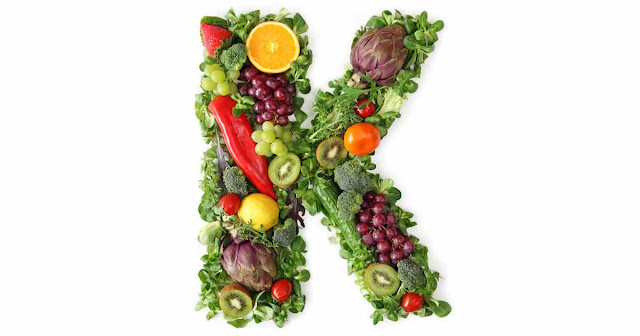
Advantage of Vitamin K

Advantage of Vitamin K

Advantage of Vitamin K

Source image by: articles.mercola.com
 Vitamin K is necessary for blood clotting. Without it, even a small cut would cause continuous bleeding in the body. Vitamin K also plays an important role in kidney function and bone growth and repair - some studies have even shown that it may help prevent osteoporosis. 

 Nutritionists categorize vitamins by the materials that a vitamin will dissolve in. There are two categories: water-soluble and fat-soluble vitamins. Fat-soluble vitamins are ”vitamins A, D, E and K” they are stored in the fat tissues of the body for a few days to up to 6 months. If you get too much of a fat-soluble vitamin, it can be stored in your liver and may sometimes cause health problems. 

 Vitamin K is a fat-soluble vitamin. Some people take mega-doses of fat-soluble vitamins, which can lead to toxicity. Eating a normal diet of foods rich in these vitamins won't cause a problem. Remember, you only need small amounts of any vitamin. Some health problems can make it hard for a person's body to absorb these vitamins. If you have a chronic health condition, ask your doctor about whether your vitamin absorption will be affected.

How Much Vitamin K Is Enough? 

Women should consume 65 micrograms a day of vitamin K, and men should consume 80 micrograms a day of vitamin K. 

Sources of Vitamin K 

About half of the vitamin K necessary for good health is supplied by bacteria living in the intestine, but dietary consumption of vitamin K is also important. 

Good sources of vitamin K include: 
  • Dark, 
  • leafy-green vegetables such as spinach or kale 
  • Beef-liver 
  • Green tea 
  • Cheese 
Can You Have Too Much or Too Little? 

 Newborns are especially prone to vitamin K deficiency, so the American Academy of Pediatrics recommends vitamin K supplementation. Vitamin K deficiency in adults is rare but it may occur in people with conditions such as cystic fibrosis and celiac disease whose bodies cannot absorb vitamins from foods properly. When it occurs, vitamin K deficiency may cause bleeding gums and skin that is easily bruised.

Vitamin K toxicity is also rare, but you should not take doses of more than 500 micrograms without talking to your doctor. Vitamin K may interfere with the effectiveness of medications such as anticoagulants (also known as blood thinners), so talk to your doctor before using a supplement that contains vitamin K. 

Vitamin Storage 

If you want to get the most vitamins possible from your food, refrigerate fresh produce and keep milk and grains away from strong light. Vitamins are easily destroyed and washed out during food preparation and storage. If you take vitamin supplements, store them at room temperature in a dry place that's free of moisture. 
Vitamin D is the best helping  bone and tooth

Vitamin D is the best helping bone and tooth

Vitamin D is the best helping  bone and tooth 

source image by: chrisjamesmindbody.com

 Vitamin D is important in helping the body absorb and use calcium from food and supplements. It aids in bone and tooth formation and supports muscle and nerve function, and studies have shown that vitamin D helps to prevent osteoporosis.  

 Nutritionists categorize vitamins by the materials that a vitamin will dissolve in. There are two categories: water-soluble and fat-soluble vitamins. Fat-soluble vitamins are ”vitamins A, D, E and K” they are stored in the fat tissues of the body for a few days to up to six months. If you get too much of a fat-soluble vitamin, it can be stored in your liver and may sometimes cause health problems. 

 Vitamin D is a fat-soluble vitamin. Some people take mega-doses of fat-soluble vitamins, which can lead to toxicity. Eating a normal diet of foods rich in these vitamins won't cause a problem. Remember, you only need small amounts of any vitamin. Some health problems can make it hard for a person's body to absorb these vitamins. If you have a chronic health condition, ask your doctor about whether your vitamin absorption will be affected.

How Much Vitamin D Is Enough? 

 The National Institutes of Health recommend that men and women ages 19 to 50 consume a minimum of 200 IU (or 5 mcg) of vitamin D each day. People ages 51 and over should consume at least 400 IU (or 10 mcg) of vitamin D daily. The need for vitamin D increases with age because your body ability to convert sunlight to vitamin D decreases. You should always eat foods or supplements rich in vitamin D with foods rich in calcium for better absorption. When you are exposed to the sun rays, your body converts a cholesterol compound in the skin to vitamin D, so aim for three 15-minute sessions of sun exposure a week. 

Sources of Vitamin D
source image by: dermaharmony.com
  

  • Fortified milk  
  • Fortified cereals
  • Eggs  
  • Tuna 
  • Fish-liver oils 
  • Sun exposure.


Can You Have Too Much or Too Little? 

 Too little vitamin D in the diet can lead to weakened bones and an increased risk of fractures. Over consuming vitamin D can cause nausea, vomiting, poor appetite, constipation, weakness and weight loss. Calcinosis, the deposition of calcium and phosphate in soft tissues like the kidney, can be caused by vitamin D toxicity. Antacids, some cholesterol lowering drugs, mineral oil, some anti-seizure medications, and steroids interfere with the absorption of vitamin D. 
source image by: swanson

 Vitamin Storage 

  If you want to get the most vitamins possible from your food, refrigerate fresh produce, and keep milk and grains away from strong light. Vitamins are easily destroyed and washed out during food preparation and storage. If you take vitamin supplements, store them at room temperature in a dry place that's free of moisture. 

Good luck and Healthy

Source by : vitamin 101 

The video talk about source of Vitamin D

 
What is Omega-3 and Omega-6 fatty-acids?

What is Omega-3 and Omega-6 fatty-acids?

What is Omega-3 and Omega-6 fatty-acids?

I.Omega-3 fatty-acids

source image by:  kwiknews.my
 Omega-3 fatty acids are considered essential fatty acids: They are necessary for human health but the body can' t make them -- you have to get them through food. 

Omega-3 fatty acids can be found in fish, such as salmon, tuna, and halibut, other seafood including algae and krill, some plants, and nut oils. Also known as polyunsaturated fatty acids (PUFAs), omega-3 fatty acids play a crucial role in brain function, as well as normal growth and development. They have also become popular because they may reduce the risk of heart disease. The American Heart Association recommends eating fish (particularly fatty fish such as mackerel, lake trout, herring, sardines, albacore tuna, and salmon) at least 2 times a week. 

Research shows that omega-3 fatty acids reduce inflammation and may help lower risk of chronic diseases such as heart disease, cancer, and arthritis. Omega-3 fatty acids are highly concentrated in the brain and appear to be important for cognitive (brain memory and performance) and behavioral function. In fact, infants who do not get
enough omega-3 fatty acids from their mothers during pregnancy are at risk for developing vision and nerve problems. 

Symptoms of omega-3 fatty acid deficiency include fatigue, poor memory, dry skin, heart problems, mood swings or depression, and poor circulation. It is important to have the proper ratio of omega-3 and omega-6 (another essential fatty acid) in the diet. 

Omega-3 fatty acids help reduce inflammation, and most omega-6 fatty acids tend to promote inflammation. The typical American diet tends to contain 14 - 25 times more omega-6 fatty acids than omega-3 fatty acids, which many nutritionally oriented physicians consider to be way too high on the omega-6 side. 

The Mediterranean diet, on the other hand, has a healthier balance between omega-3 and omega-6 fatty acids. Many studies have shown that people who follow this diet are less likely to develop heart disease. The Mediterranean diet emphasizes foods rich in omega-3 fatty acids, including whole grains, fresh fruits and vegetables, fish, olive oil, garlic, as well as moderate wine consumption.

II.Omega-6 fatty-acids

 Omega-6 fatty acids are considered essential fatty acids: They are necessary for human health but the body
can' t make them -- you have to get them through food. Along with omega-3 fatty acids, omega-6 fatty acids play a crucial role in brain function, as well as normal growth and development. 

Also known as polyunsaturated fatty acids (PUFAs), they help stimulate skin and hair growth, maintain bone health, regulate metabolism, and maintain the reproductive system. 
 
source image by: Goodybeauty.blogspot.com
A healthy diet contains a balance of omega-3 and omega-6 fatty acids. Omega-3 fatty acids help reduce inflammation, and some omega-6 fatty acids tend to promote inflammation. In fact, some studies suggest that elevated intakes of omega-6 fatty acids may play a role in Complex Regional Pain Syndrome. The typical American diet tends to contain 14 - 25 times more omega-6 fatty acids than omega-3 fatty acids. 

The Mediterranean diet, on the other hand, has a healthier balance between omega-3 and omega-6 fatty acids. Many studies have shown that people who follow this diet are less likely to develop heart disease. The Mediterranean diet does not include much meat (which is high in omega-6 fatty acids, though grass fed beef has a more favorable omega-3 to omega-6 fatty acid ratio) and emphasizes foods rich in omega-3 fatty acids, including whole grains, fresh fruits and vegetables, fish, olive oil, garlic, as well as moderate wine consumption. 

There are several different types of omega-6 fatty acids, and not all promote inflammation. Most omega-6 fatty acids in the diet come from vegetable oils, such as linoleic acid (LA). Be careful not to confuse this with alpha-linolenic acid (ALA), an omega-3 fatty acid. Linoleic acid is converted to gamma-linolenic acid (GLA) in the body. 
It is then further broken down to arachidonic acid (AA). GLA is found in several plant based oils, including evening primrose oil (EPO), borage oil, and black currant seed oil. 

GLA may actually reduce inflammation. Much of the GLA taken as a supplement is converted to a substance called DGLA that fights inflammation. Having enough of certain nutrients in the body (including magnesium, zinc, and vitamins C, B3, and B6) helps promote the conversion of GLA to DGLA.

 III.Sources of Omega-3 and Omega-6

source image by: theissnscoop.com
  • Fish
  • Tuna
  • Salmon
  • Lake Tout
  • Herring 
  • Egg
  • Nuts and seeds 
Good luck and Healthy

Source by: Vitamin 101


How to Purify Water?

How to Purify Water?

  So the best way to purify your water is to use a filter. Often you can build a water filter with the resources you have available, this gets the particules, dirt and some of the chemicals out of the water. It is wise to boil the water after you filtered it so that all bacteria and viruses are killed.

Water Purifiers:

Source image by: clearflo.in
There are many water purifiers available in the market that you can install in your kitchen to ensure pure drinking water.
  • The most popular ones are those with UV and RO Technology.
  • Fix your water supply away from gasoline, pesticides and other hazardous substance as vapor from them can easily permeate the plastic made purifiers.
  • Inspect your water supply and tanks every three months to ensure that there is no leakage.
  • Stored water develops a weird and disagreeable taste and odor. The unpleasant taste can be treated by pouring water from one container to another, three to four times.

How to Purify Water?

Water gets contaminated in two ways.
  • The first is, when you leave the water in an open container at room temperature for an extended period of time. This provides a breeding ground for bacteria, algae and mosquitoes.
  • The second way water gets contaminated is when the container in which you store water starts to leach chemicals.
Drinking contaminated water can transmit the virus easily into the system, causing diseases like cholera and typhoid. The risk is high during the monsoon when the water gets contaminated due to water logging, open sewage and other unsanitary conditions. Therefore, it is very important to drink clean water so as to enjoy the health benefits of drinking water. Following are some steps for purifying your drinking water before consumption:
  • If the water is polluted, filter the water through paper towels, paper coffee filter or several layers of cloth to remove the sediments. Straining water through the muslin cloth does not make it safe for drinking as bacteria and other toxic substances could still be present in it. To make water safe for drinking, boil water for 15 minutes after filtering it through the cloth.
  • You can also chemically purify the water by adding liquid bleach or tincture of iodine. Do not use the bleach that you use for cleaning your house as they are poisonous.
    • Use three drops of iodine or liquid bleach per liter.
    • Mix the water thoroughly by stirring or shaking water in the container.
    • Let the water stand for 30 minutes to an hour.
    • Water purification tablets can also help you in purifying water.
    • The tablets have a shelf life of two years and lose their effectiveness if they get damp.
    • Purify enough water to last for 48 hours as leaving the water to sit for longer periods may re-contaminate them.
Consumption of bottled water produces unwanted used plastic bottles. They are dumped into the environment allowing chemicals like phthalates to leach into the groundwater and eventually our bodies. This can cause diseases like cancer and intestinal problems. Don’t allow your plastic bottles to sit in the sun as this might increase the chances of chemical leaching. Use stainless steel bottles for travelling purpose. Uses:

Water is available in many forms including bottled water, flavored water, vitamin water and tap water.
It plays a very important role in the preparation of food.
It serves as a medium for cooking food, like in the process of steaming and boiling.
It also acts as a carrier of flavors in fruit drinks, tea and coffee.
Most of the foods like beans, rice, cooked lentils and curry require water for cooking.
Hot water when taken slowly will revive people as effectively as tea or coffee. The merit of soup is that it contains about 95% of hot water while the solids are largely in solution.

Safety Profile:

Drinking too much water can lead to a rare condition called Hyponatremia. Athletes, elderly people, and patients of heart disease and cirrhosis are at risk. Coffee, cola, alcohol and tea should not be considered as water substitutes. Moreover, coffee is diuretic, so excess of it can worsen the water balance in the body. Hope this article was useful and informative. Keeping in mind the importance of hydration we will be able to adopt a better lifestyle for living healthy.

Good luck and Healthy

Source by: stylecraze.com